

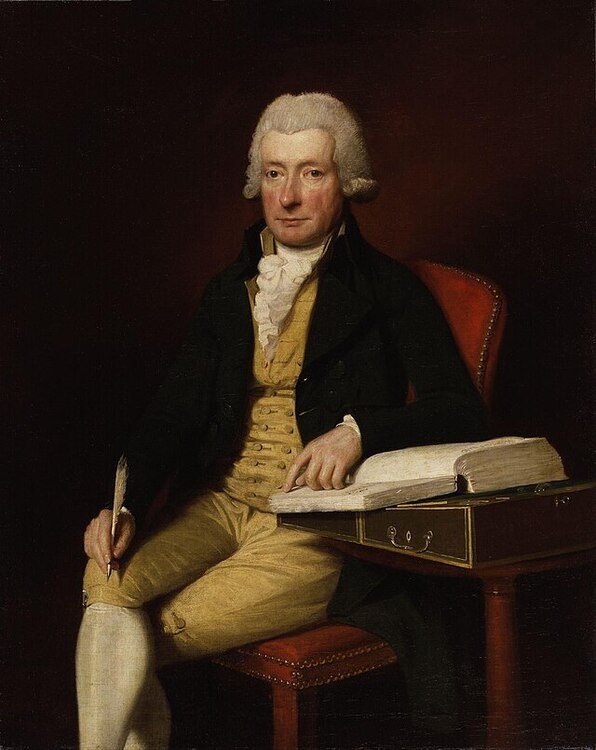
The Poet ~ William Cowper was born 26 November 1731 and passed away 25 April 1800 aged 68 years. He was an English poet and Anglican hymnwriter. One of the most popular poets of his time, he changed the direction of the 18th century nature poetry by writing of everyday life and scenes of the English countryside. In many ways, Cowper was one of the forerunners of Romantic poetry.
Our Reader ~ Trish Eames has been part of Tokomairiro High School since 1989, shaping generations of students through her work as Head of Department English, Co‑Head of Department, and Specialist Classroom Teacher. Early in her career she received the Wolff Fisher Scholarship for Excellence in Teaching, recognising her skill and passion. She lives in Milton with her long‑time partner, dedicated school librarian Greig Daniels, and remains deeply connected to the community she has served for decades. A devoted reader and film‑lover, Trish enjoys sewing, knitting, photography, gardening, and the company of her much‑loved felines.
The Nightingale and the Glow-Worm
A Nightingale that all day long
Had cheered the village with his song,
Nor yet at eve his note suspended,
Nor yet when eventide was ended,
Began to feel, as well he might,
The keen demands of appetite;
When looking eagerly around,
He spied, far off upon the ground,
A something shining in the dark,
And knew the glow-worm by his spark;
So stooping down from hawthorn top,
He thought to put him in his crop;
The worm, aware of his intent,
Harangued him thus right eloquent:
'Did you admire my lamp,' quoth he,
'As much as I your minstrelsy,
You would abhor to do me wrong,
As much as I to spoil your song,
For 'twas the self-same power divine
Taught you to sing, and me to shine,
That you with music, I with light,
Might beautify and cheer the night.'
The songster heard his short oration,
And warbling out his approbation,
Released him, as my story tells,
And found a supper somewhere else.
Hence jarring sectaries may learn,
Their real interest to discern:
That brother should not war with brother,
And worry and devour each other,
But sing and shine by sweet consent,
Till life's poor transient night is spent,
Respecting in each other's case
The gifts of nature and of grace.
Those Christians best deserve the name,
Who studiously make peace their aim;
Peace, both the duty and the prize
Of him that creeps and him that flies.