Resistance, Myths, and Legacies
In popular culture, slavery has often been misrepresented. The myth of the “happy slave,” seen in characters like the Mammy or Sambo, or the mockery of black face in minstrel shows, made slavery seem less brutal and easier for white audiences to accept. Romanticized stories, like Thomas Jefferson’s relationship with Sally Hemings, are often told as love stories. But Hemings was enslaved, and Jefferson owned her. What does it mean to call such a relationship consensual when one person has absolute power over the other?
Slavery was also a business. Enslaved people were bought and sold like livestock, with their skills, age, and even physical traits listed on auction blocks. Families were torn apart, women were forced to bear children, and children themselves were sold, sometimes as young as two years old.
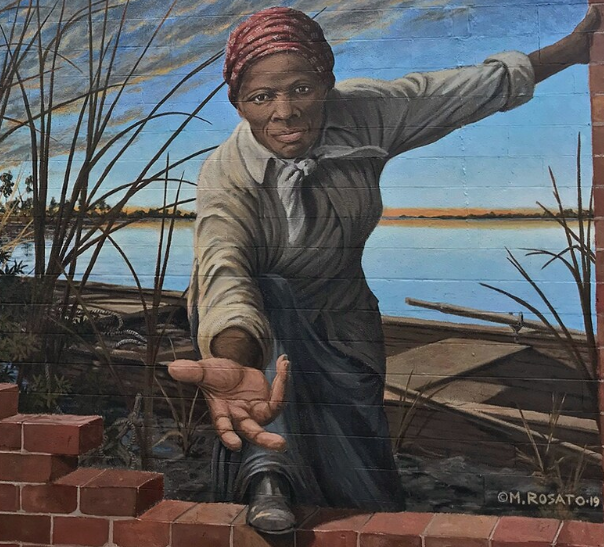
But enslaved people resisted in many different ways. From escape attempts to spiritual gatherings, from work slowdowns to rebellions, they found ways to claim dignity and agency in a system designed to deny them both.
Finally, in 1863, President Abraham Lincoln issued the Emancipation Proclamation, declaring enslaved people in rebelling states free. And on June 19, 1865, Union Major General Gordon Granger arrived in Galveston to inform the last enslaved people in Texas that they were free. Newly freed people organized the first Jubilee Day on June 19, 1866 and in 2021, President Joe Biden declared Juneteenth an official federal holiday.
Still, slavery’s legacies—racism, inequality, and injustice—remain with us today. Modern slavery also continues worldwide, with millions trapped in forced labor. The fight for freedom is not finished.
Thought prompt:
As you stand in this space, think about the stories we inherit. Whose voices have been silenced, and whose have been amplified? What responsibility do we have to carry forward the stories of those who resisted and survived?
Thank you for walking with us through this history. Slavery is not an easy story to tell, nor is it an easy story to hear. But by engaging with it, we honor those who lived it and ensure their struggles are not forgotten. Please feel free to speak with our docents for questions, and explore ways you can support our work in education and preservation here at Spring Hill.