

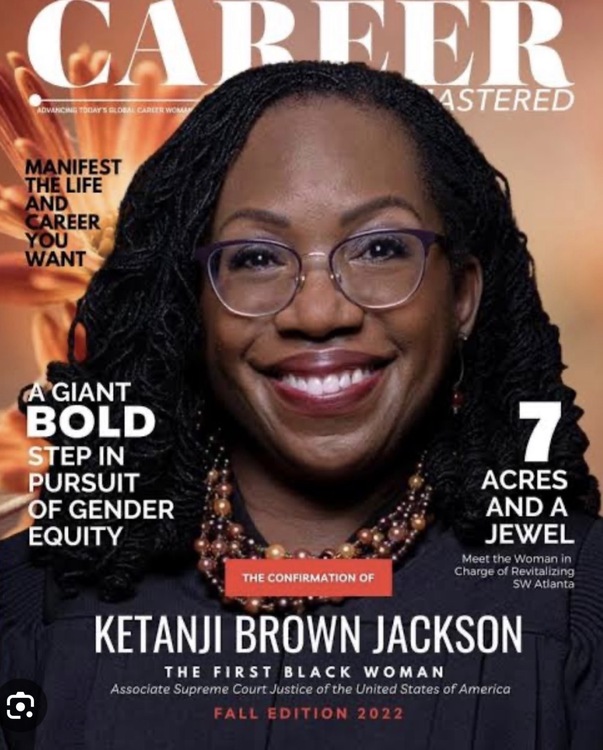
Supreme Court Justice Ketanji Brown Jackson: From segregation to the Supreme Court.
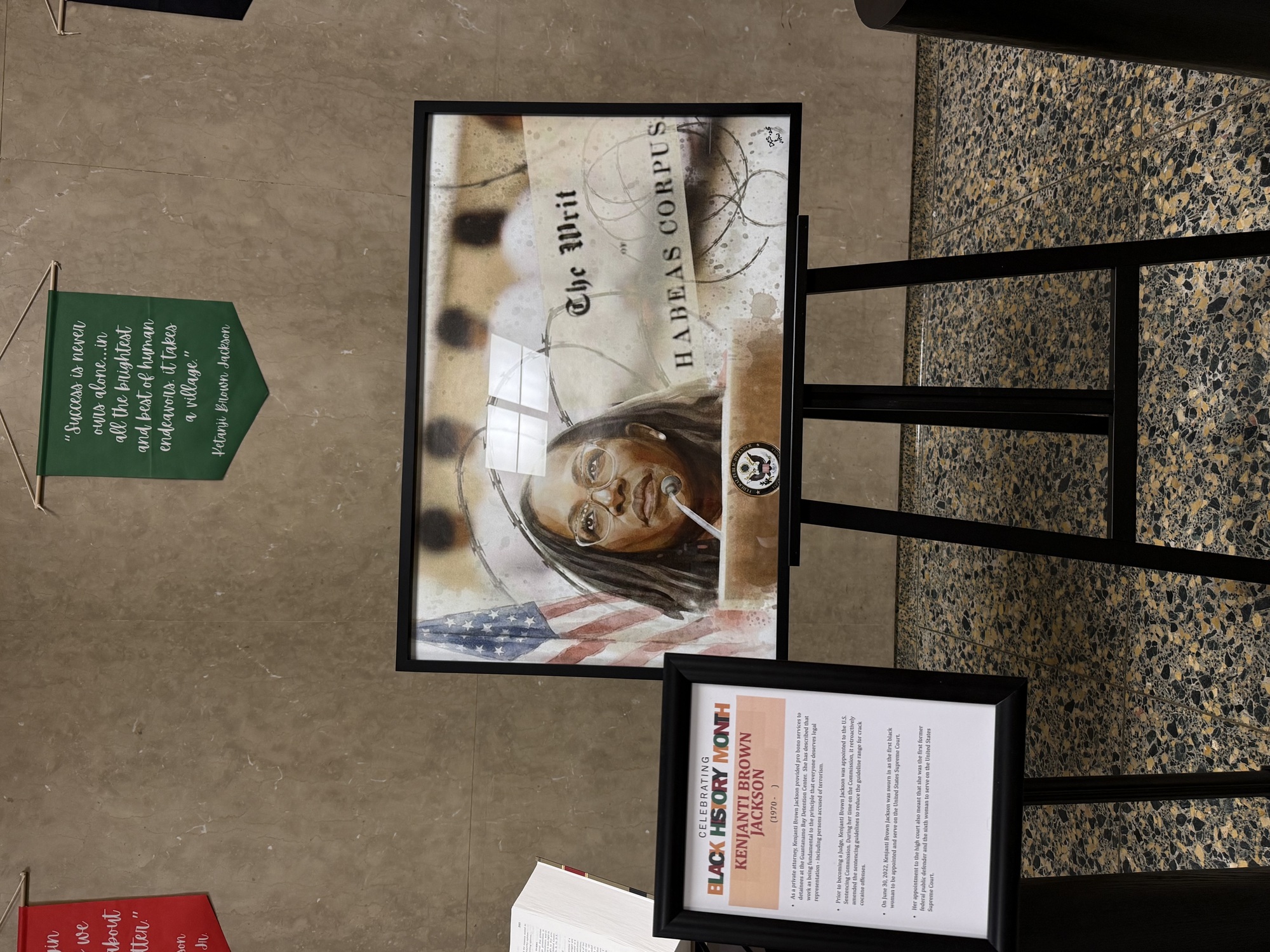
Supreme Court Justice Ketanji Brown Jackson once said that "...success is never ours alone… And all the brightest and best of human endeavors, it takes a village."
At the center of Justice Jackson's village was her family. She once stated that "so much of who I am and what I've come to be, I believe, it's because of my predecessors – my grandparents, my parents and generations, even before them, who envisioned a better life for African-Americans and who worked toward that end."
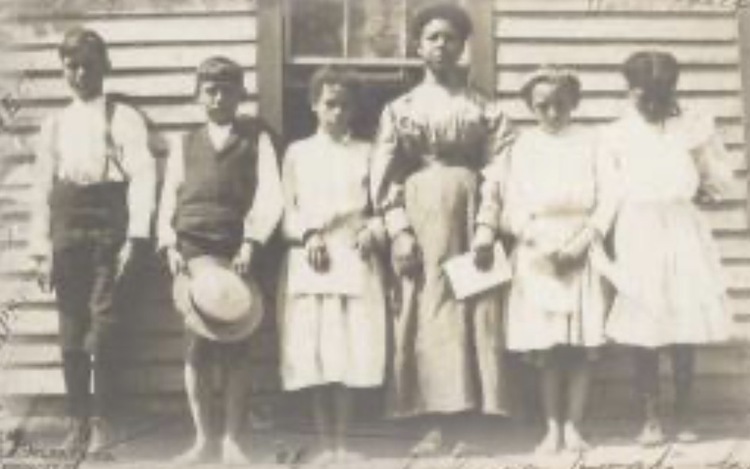
Even though her grandparents had to envision that better life through the prisim of Jim Crow, they did not allow segregation to determine what or who their children, and their children's children, became.
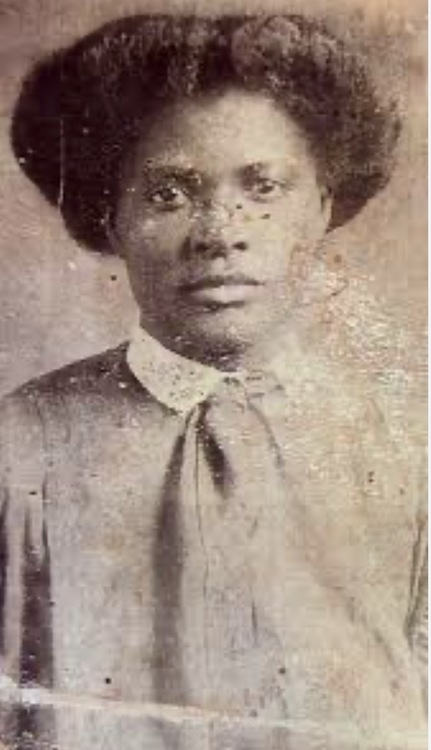
For example, after initially working as a chauffeur in the state of Georgia, Justice Brown Jackson's grandfather packed up his family and moved to Miami where he started a successful landscaping business. Through his hard work, Horace Ross Sr. was able to put all five of his children through college.
As a result, Justice Brown Jackson grew up in a village where both her role models (her parents) had attended college and would pursue careers in education - her mother was a principal and her father (after years of teaching) became the lawyer for the local school board.
Justice Jackson has stated that "unlike the many barriers that her parents and grandparents had faced growing up, my path was clearer, so that if I worked hard and believed in myself, in America, I could do anything or be anything I wanted to be."
History has proven her right. Remarkably, through the love, nurturing, and role modeling which occured in and outside her village, it took just one generation, just one generation, for her family to go from segregation to the Supreme Court.
-
Ebony and Jet Magazines inspired and informed a whole new generation of leaders, lawyers and judges.
-
Judge Thurgood Marshall goes from getting revenge to demanding respect.
-
Judge Constance Baker Motley: Climbing ladders and breaking glass ceilings.
-
Judge Jane Bolin: Believed that love and the law were allies.
-
Judge Reuben Davis: Cleared a broad path for others to follow.
-
Chief Judge Rowan Wilson of the New York Court of Appeals: Setting out to do good.
-
Supreme Court Justice Ketanji Brown Jackson: From segregation to the Supreme Court.
-
Robert Morris risked his law license and his own life so that others could have their liberty.
-
Jet and Ebony magazines: Turned young readers into adult leaders.