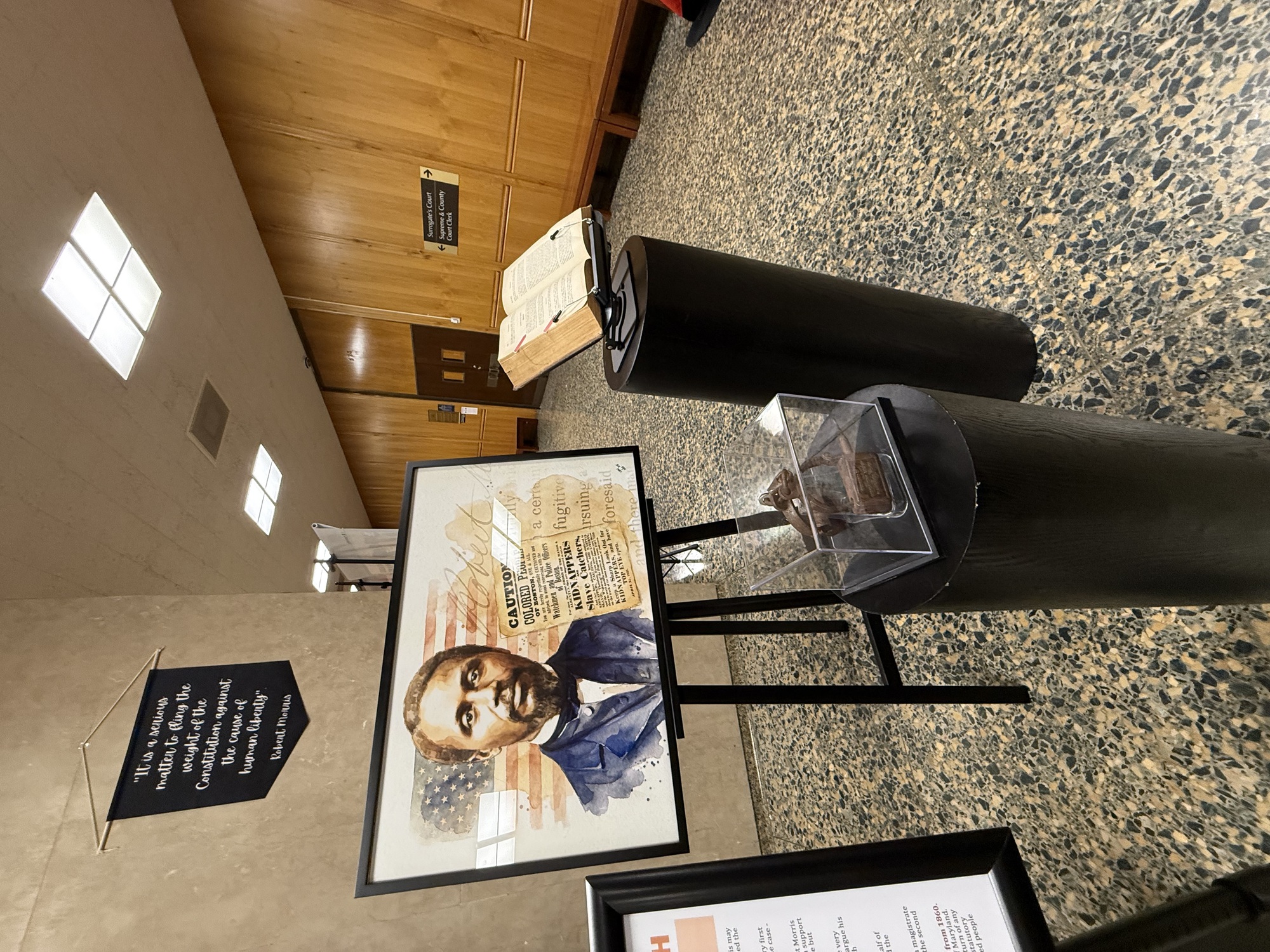
Robert Morris risked his law license and his own life so that others could have their liberty.
Before there was Thurgood Marshall or Johnny Cochran, there was Robert Morris.
Perhaps you never heard of him. But there's no doubt that famed civil rights lawyer Thurgood Marshall knew, exactly, who Robert Morris was.
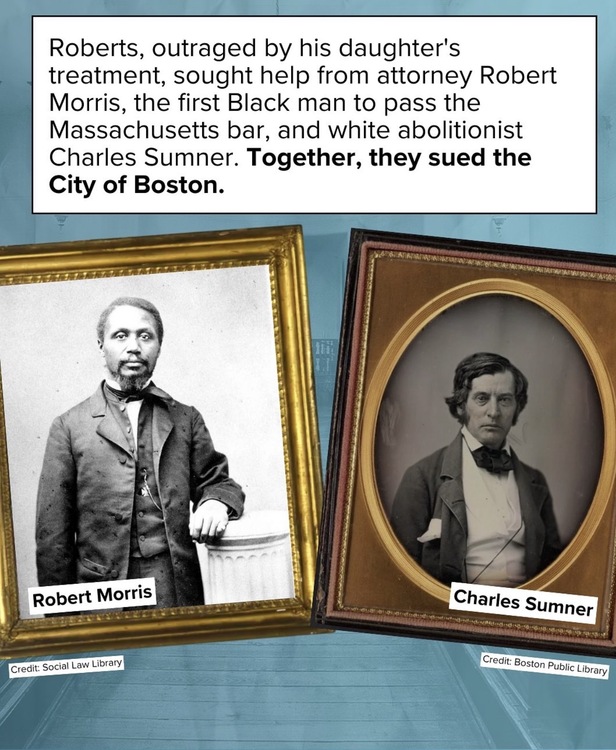
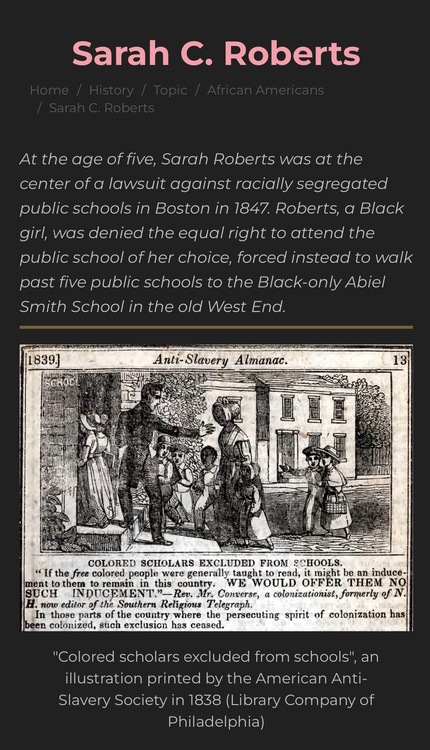
That's because long before Thurgood Marshall filed Brown versus the Board of Education, he knew that, in 1849, Robert Morris was the first to file a lawsuit which challenged the existence of segregated public schools.
That case was known as Roberts versus the City of Boston. Unfortunately, court records indicate that attorney Morris lost the Roberts case. In fact, the United States Supreme Court cited the Roberts case when it held in Plessy versus Ferguson that the doctrine of "seperate but equal" did not violate the Constitution.
Morris felt that when courts rendered decisions like those in the Roberts and Plessy cases, that they had, sadly, "...flung the weight of the Constitution against the cause of human freedom."
It would take nearly one hundred years between the Plessy versus Ferguson and Brown versus Board of Education cases, before the courts began to see the wisdom of Morris' argument in the Roberts case and why the weight of the Equal Protection Clause of the 14th Amendment should come down against state sponsored segregation in public schools.
However, Robert Morris was not always willing to wait so patiently for others to come around to his way of thinking in terms of how one should interpret the United States Constitution. In some of his cases, the stakes were just too high for his clients for Morris to wait for a favorable appellate review or to wait a century for either the law or for precedent to change.
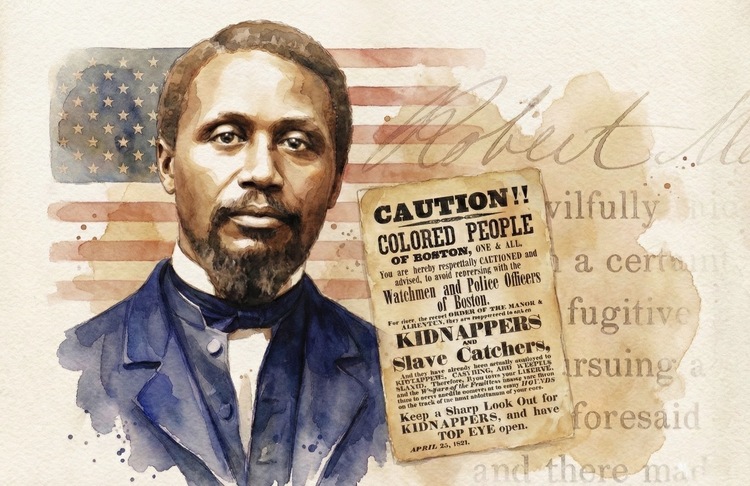
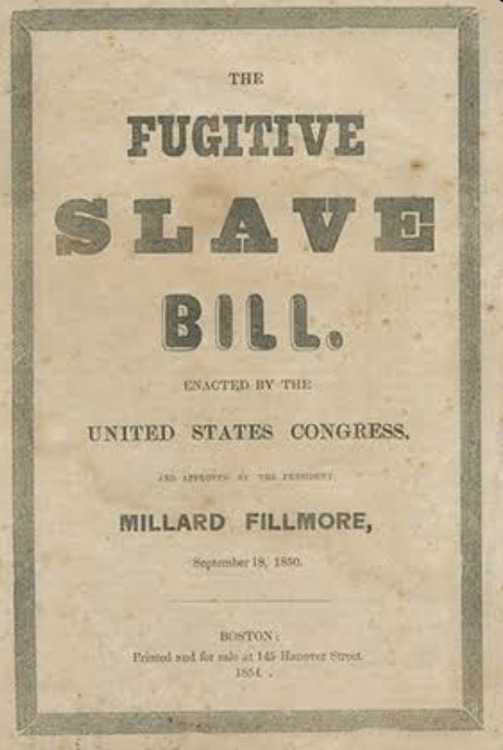
For example, in 1851, when a Boston judge ruled (under the Fugitive Slave Act of 1850) that his client (Shadrach Minkins who had been living as a free person in Boston) could be taken back to his "owner" in Virginia, Robert Morris, concluded that he simply could not wait for a change in the law that might free Mr. Minkins.
Accordingly, under the cover of night, Robert Morris, accompanied by several abolitionists, charged the jailhouse and freed Minkins from his captors. With the aid of a few others, Shadrach Minkins was safely whisked away via the Underground Railroad to Canada.
In that case (and in so many other cases where attorney Morris represented the liberty interests of his clients), Robert Morris risked EVERYTHING - including his life and his law license, so that another person could have their liberty.
-
Ebony and Jet Magazines inspired and informed a whole new generation of leaders, lawyers and judges.
-
Judge Thurgood Marshall goes from getting revenge to demanding respect.
-
Judge Constance Baker Motley: Climbing ladders and breaking glass ceilings.
-
Judge Jane Bolin: Believed that love and the law were allies.
-
Judge Reuben Davis: Cleared a broad path for others to follow.
-
Chief Judge Rowan Wilson of the New York Court of Appeals: Setting out to do good.
-
Supreme Court Justice Ketanji Brown Jackson: From segregation to the Supreme Court.
-
Robert Morris risked his law license and his own life so that others could have their liberty.
-
Jet and Ebony magazines: Turned young readers into adult leaders.