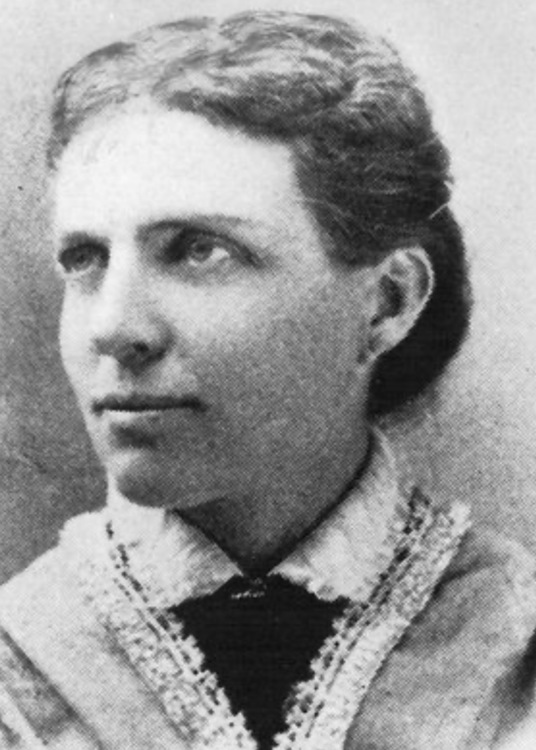
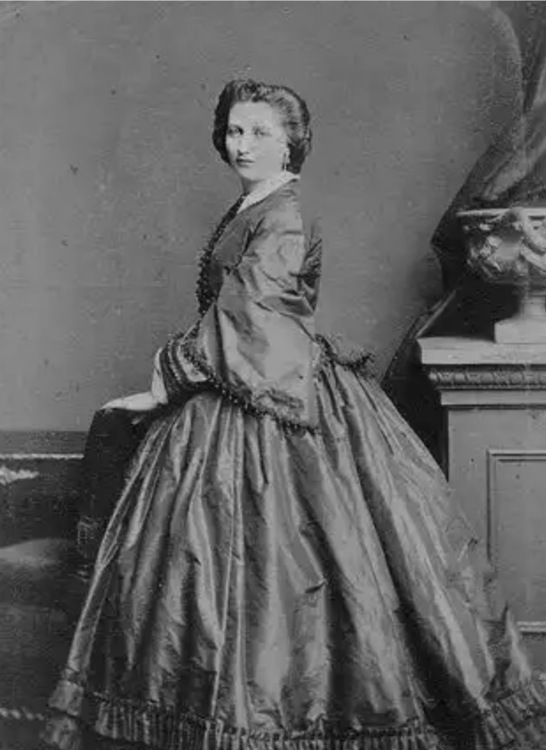

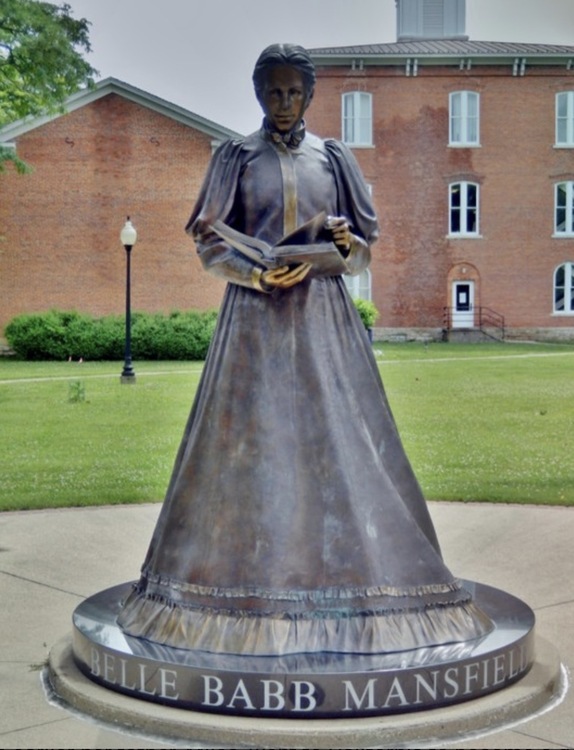
Arabella Mansfield: The woman who opened the door to the Bar.
Arabella Mansfield’s story begins in the mid-19th century, at a time when women in the United States were rarely permitted to enter professions like law. Born Belle Aurelia Babb in 1846 in Burlington, Iowa, she grew up in a family that strongly valued education and civic engagement. Her father, Miles Babb, was a businessman and abolitionist who encouraged intellectual curiosity in his children. After his death when Arabella was still young, her mother Mary Moyer Babb moved the family to Mount Pleasant, Iowa, determined that her children would receive the education their father had envisioned for them.
Arabella excelled as a student. She attended Iowa Wesleyan College, one of the few institutions at the time that admitted women. There she studied a wide range of subjects and developed a deep interest in law and public affairs. Her brother Washington Irving Babb later became a lawyer and judge, and their conversations about legal issues helped spark Arabella’s interest in the profession. In 1868 she graduated as valedictorian of her class.
Soon after, she married John Melvin Mansfield, a professor at Iowa Wesleyan. While her husband pursued academic work, Arabella continued studying law independently, reading legal texts and preparing for the bar examination with support from her brother. At the time, Iowa law stated that only “white male citizens” could become lawyers. Despite this barrier, Arabella applied to take the exam.
In 1869, when she sat for the test, the local examining committee reportedly assumed she would not pass. Instead, she achieved one of the highest scores they had ever seen. Her success forced the issue into court. The case, In re Arabella Mansfield, asked whether a woman could legally practice law in the state. The court ruled in her favor, interpreting the law to allow women to join the bar. With that decision, Arabella Mansfield became the first woman admitted to the practice of law in the United States.
Although she had broken a historic barrier, Mansfield did not pursue a traditional courtroom career for long. Instead, she turned toward education and reform. She returned to Iowa Wesleyan University as a professor, teaching English and history and mentoring young women who hoped to pursue professional careers. Later, she served as dean of the School of Art at DePauw University in Indiana.
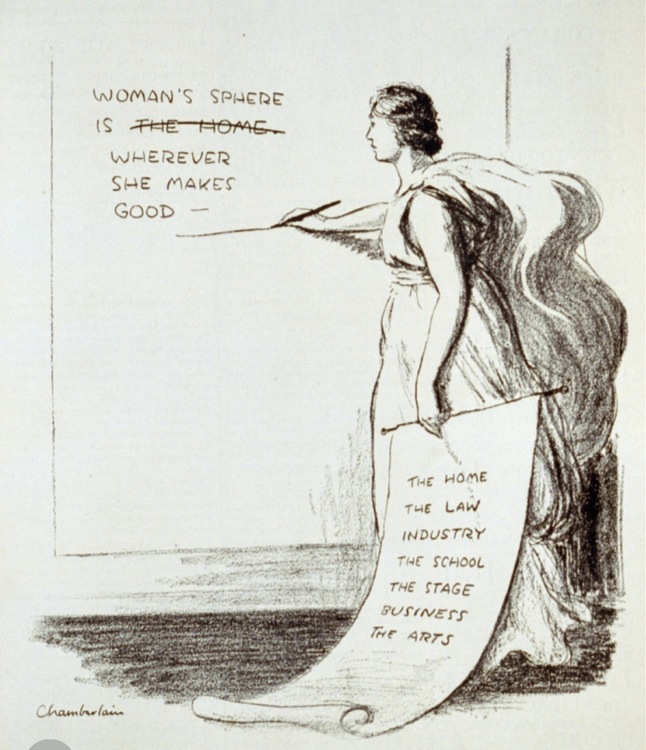
Throughout her life, Mansfield remained deeply involved in the movement for women’s rights. She supported Susan B. Anthony and the broader Women’s Suffrage Movement, advocating for women’s access to education, professional opportunities, and the vote. Her own achievement—forcing the legal system to recognize that women could practice law—became a powerful example for generations that followed.
Arabella Mansfield died in 1911, but her legacy lives on. By challenging a law that excluded women and proving her ability through determination and scholarship, she helped open the legal profession to women across the country. Today, she is remembered not only as a legal pioneer, but also as an educator and reformer who believed deeply that talent and opportunity should never be limited by gender.
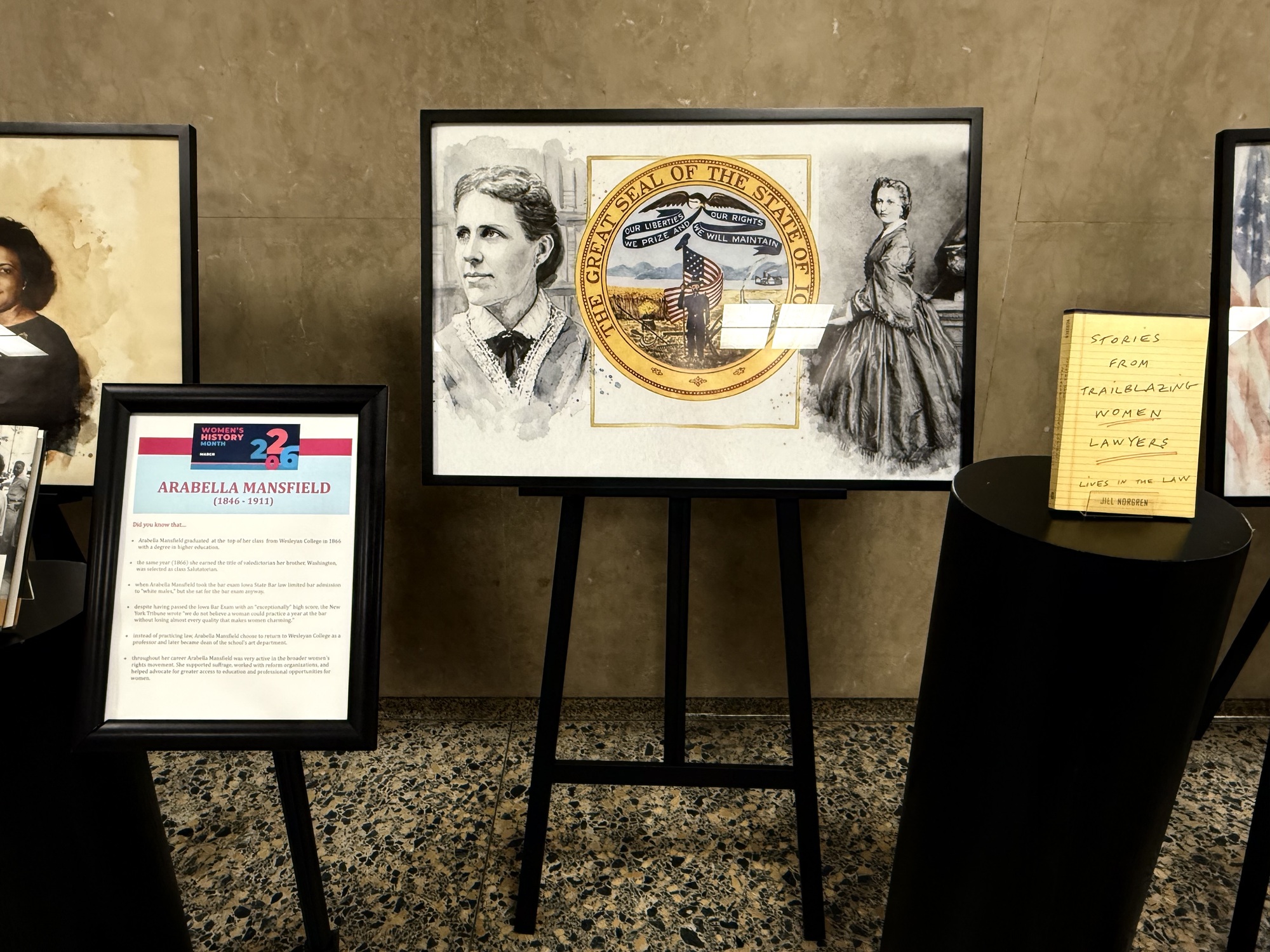
-
Judge Judith Kaye: A Woman of Many Firsts.
-
Supreme Court Justice Ketanji Brown Jackson: From segregation to the Supreme Court.
-
Justice Sandra Day O’Connor: A Judge who had been mending fences all of her life.
-
Justice Sotomayor: Law, Life, and Lived Experience.
-
Arabella Mansfield: The woman who opened the door to the Bar.
-
Constance Baker Motley: Climbing ladders and breaking glass ceilings.
-
Judge Jane Bolin: Believed that love and the law were allies.